
"first coffee tree"
20000 article(s) found

The master taught the public to make coffee, coffee tree, coffee beans, freshly ground coffee, coffee and coffee to make coffee
The first time I saw a coffee tree, I saw so many varieties of coffee beans for the first time. I really learned a lot this time! Recently, the Lishui Community Daily organized citizens to carry out characteristic industrial tours, went to the local enterprise Bika Coffee Food Factory and tasted the best freshly ground coffee. Also visited coffee trees, coffee bean baking workshops, coffee bean warehouses and experienced its professional training base. In the enterprise

Coffee theory study: coffee plant classification, cultivation and processing
Many people are familiar with coffee powder, but coffee powder is formed after coffee beans are ground. The coffee beans that ordinary customers get are fried (roasted) coffee beans, while coffee beans that have not been roasted are green coffee beans. If you dig deeper, coffee beans come from coffee berries on coffee trees, which are the seeds of coffee trees. So to understand coffee beans, first you have to understand coffee.

Suriname Coffee introduction to the origin of Suriname coffee
Suriname (Surinam) was the first country in South America to grow coffee. The Dutch who settled in Suriname in 1667 introduced coffee trees from Java in the early 18th century. The first coffee trees were given by the mayor of Amsterdam to a Flemish pirate, a Hansback. To be exact, these coffee trees were planted in the Dutch Gui at that time.

Coffee from Suriname
Suriname (Surinam) was the first country in South America to grow coffee. The Dutch who settled in Suriname in 1667 introduced coffee trees from Java in the early 18th century. The first coffee trees were given by the mayor of Amsterdam to a Flemish pirate, a Hansback. To be exact, these coffee trees were planted in the Dutch Gui at that time.
Global coffee producing area-Suriname
Suriname (Surinam) was the first country in South America to grow coffee. The Dutch who settled in Suriname in 1667 introduced coffee trees from Java in the early 18th century. The first coffee trees were given by the mayor of Amsterdam to a Flemish pirate, a Hansback. To be exact, these coffee trees were planted in the Dutch Gui at that time.
The spread of coffee all over the world
The story of how coffee is grown and consumed all over the world is one of the greatest and romantic stories in history. The story begins in Ethiopia on the Cape of Africa, where coffee is most likely born in the Kafa region. There are all sorts of uncertain theories about the discovery of the method of roasting coffee beans. One of the stories is that an Ethiopian shepherd found him.

How many beans can a coffee tree produce?
How much coffee can a coffee tree produce? The first flowering period of coffee trees is about three years. The white flowers have five tubular flowers, and there is a faint jasmine fragrance. The inflorescences are dense and arranged in clusters. After two or three days of flowering, it will wither and begin to bear fruit after a few months. The fruit is a drupe, ca. 1.5 cm in diameter, initially green, then gradually yellow, mature

Types of coffee trees where do the most important coffee beans in the world come from?
The first flowering period of the coffee tree is about three years old. the five-petal tube-shaped white flowers are filled with a faint scent of jasmine and the inflorescences are arranged in dense clusters. Flowers wither after two or three days of blooming and begin to bear fruit after a few months. The fruit is a drupe with a diameter of about 1.5 cm. It turns green at first, then turns yellow gradually, turns red when ripe, and is very similar to cherries.

How should coffee trees be planted? can Arabica coffee trees survive at low elevations?
Coffee trees grow in the tropics between Tropic of Cancer and Tropic of Cancer and near the equator. There are also great differences in appearance among the so-called world coffee growth zones, caffeine varieties and regional factors. With long green leaves ranging from yellowish green to dark green or even brass, these shiny trees are wavy, which is more pronounced in Robasda than in Arabica. Although coffee trees need

Europeans brought in the first tin pickup Typica tree species to start the Caesar Louise Manor in Panama.
Coffee was introduced into Panama in 1780, when Europeans introduced the first Typica tree species. After that, this mysterious and strange drink conquered the senses of Panamanians, and the local people began to grow it widely. Panamanian Caesar Lois (CasaRuiz,S.A.) Manor, founded in 1920, is located in the Boquete producing area of BaruVolcano Volcano.
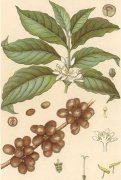
Definition of Coffee Tree basic knowledge of Fine Coffee
Coffee trees are evergreen shrubs with slender trunks and many branches. In order to facilitate harvesting, coffee trees on the farm are usually maintained at about 1.5 meters. Wild coffee trees may grow to seven or eight meters, or even as high as 10 meters. After the coffee is planted, it will take about five years to grow, blossom and bear fruit for the first time for farmers to harvest. In this long five years, the seeder can only expect; the burden of the backlog of funds.

Coffee trees blossom and bear fruit time medical coffee beans are planted
The first flowering period of the coffee tree is about three years. The five-petal tube-shaped white flowers are filled with a faint scent of jasmine, and the inflorescences are arranged in dense clusters. It will wither after two or three days of flowering and begin to bear fruit after a few months. The fruit is a drupe with a diameter of about 1.5 cm, which is green at first, then turns yellow gradually, and turns red when ripe, so it is very similar to cherries.
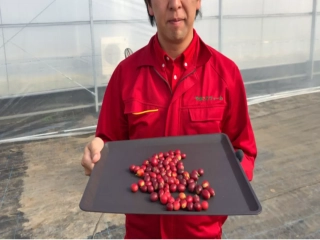
Coffee bean trees can also be grown in Japan! The first batch of Japanese-made coffee beans came out!
Growing coffee locally has been something that generations of Japanese have been pursuing. Due to topography, climate and other reasons, Japan's local natural environment is not suitable for growing coffee. In winter, because it is too cold, it is difficult for coffee trees to survive. Even if they do, they will not be able to blossom and bear fruit.
Basic knowledge of boutique coffee Reunion's coffee
In 1715, the first coffee trees (about 40) were transported from the Yemeni port of Moka to LaReunion, but unfortunately only two survived. By 1719, coffee plantations had begun to flourish and the first coffee beans were sold. Over the next few years, the government took a hard measure: the islanders, black and white, had to plant 100 coffee trees a year. The law of 1723

Coffee producer Suriname the first country in South America to grow coffee
Suriname (Surinam) was the first country in South America to grow coffee, and Norway was once a major importer of coffee products. However, the country's output is very small today, and it is mentioned here only for historical reasons. The Dutch, who settled in Suriname in 1667, introduced coffee trees from Java in the early 18th century. The first batch of coffee trees was given by the mayor of Asmstedan.
Suriname, the first country to grow coffee
An important name in the history of coffee. Suriname (Surinam) was the first country in South America to grow coffee, and Norway was once a major importer of coffee products. However, the country's output is very small today, and it is mentioned here only for historical reasons. The Dutch, who settled in Suriname in 1667, introduced coffee trees from Java in the early 18th century. The first coffee trees were made up of

Suriname the first country in South America to grow coffee
An important name in the history of coffee. Suriname (Surinam) was the first country in South America to grow coffee, and Norway was once a major importer of coffee products. However, the country's output is very small today, and it is mentioned here only for historical reasons. The Dutch, who settled in Suriname in 1667, introduced coffee trees from Java in the early 18th century. The first coffee trees were made up of

Suriname (Surinam) is the first country in South America to grow coffee
Suriname (Surinam) was the first country in South America to grow coffee, and Norway was once a major importer of coffee products. However, the country's output is very small today, and it is mentioned here only for historical reasons. The Dutch, who settled in Suriname in 1667, introduced coffee trees from Java in the early 18th century. The first batch of coffee trees were given by the mayor of Asmstedan.
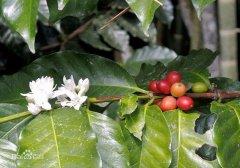
Suriname (Surinam) is the first country in South America to grow coffee.
Suriname (Surinam) was the first country in South America to grow coffee, and Norway was once a major importer of coffee products. However, the country's output is very small today, and it is mentioned here only for historical reasons. The Dutch, who settled in Suriname in 1667, introduced coffee trees from Java in the early 18th century. The first batch of coffee trees were given by the mayor of Asmstedan.
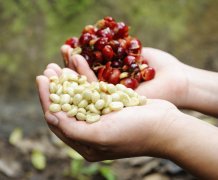
Suriname was the first country in South America to grow coffee.
Suriname was the first country in South America to grow coffee, and Norway was once a major importer of coffee products from Suriname. Today, however, the country produces very little and is mentioned here only for historical reasons. The Dutch, who settled Suriname in 1667, introduced coffee trees from Java in the early 18th century. The first coffee trees were donated by the mayor of Aspen to a